Most shavers notice the handle first. Maybe it is the knurled heft of a Merkur 34C, the clean lines of a Henson razor, or the familiar plastic of a disposable razor. But the real work happens at the edge, and that edge depends on the steel. Whether you favor a safety razor with double edge razor blades, a straight razor, a Shavette, or an edge razor cartridge, the core decision hides in the metal itself: stainless or carbon steel. The two alloys behave differently under heat, humidity, stropping, and skin. Understanding those differences helps you pair the right blade with your beard, your routine, and your gear.

What “stainless” and “carbon” really mean
Both stainless and carbon steel start with iron and carbon. The split happens when you add enough chromium, typically 10.5 percent or more, to qualify as stainless. Chromium forms a thin, adherent layer of chromium oxide on the surface when exposed to oxygen. That passive film resists rust and stains, which is where stainless gets its name. Carbon steels generally have lower chromium, often well under 2 percent, and lean more heavily on carbon content and heat treatment for hardness. Without that chromium shield, carbon blades are lively on the face but sensitive to moisture and acids.
Manufacturers manipulate more than just chromium. Vanadium, molybdenum, tungsten, and nitrogen tune carbide size, tempering response, and toughness. Two stainless blades can feel nothing alike depending on grind, coating, and polish. Likewise, not all carbon blades are temperamental rust magnets. A lightly alloyed “semi-stainless” or blued carbon blade can hold up better than you would expect. Still, the big tendencies hold: stainless resists corrosion and lasts longer between shaves; carbon takes a keen, aggressive edge but asks for care.
Edge geometry, coatings, and the feel on skin
Steel selection solves only half the equation. Blade makers chase a balance between thinness at the apex and enough backbone not to chatter. The finer the apex radius, the sharper the initial cut, but also the more fragile that edge against whiskers and microscopic impacts. Stainless alloys usually temper to high hardness with good toughness, which lets manufacturers hone to very small radii and then protect the apex with coatings like PTFE, platinum, chrome, or diamond-like carbon. Those coatings reduce friction, calm the first shave or two, and slightly extend life.
Carbon steel often takes an edge quickly on the stones. Old barbers liked it because a straight razor could be set, stropped, and refreshed with predictable feedback. In double edge razor blades, carbon steel can feel effortlessly sharp on day one, sometimes bordering on harsh if your angle is off. Without corrosion-resistant alloying, the apex can roughen between shaves, which changes how it glides across lather and skin.
If you ever wondered why one pack labeled “sharp” feels smooth while another labeled “mild” still nicks, you are sensing the full system: alloy, heat treat, grind, and coating. The brand stamped on the wrapper matters less than what the metal and geometry are doing at the hair-skin interface.
Corrosion, humidity, and the morning routine
Water is the quiet killer of edges. On carbon steel, even a faint film of mineral-rich tap water or a trace of shaving soap left at the edge invites rust bloom. The corrosion might be invisible, yet you feel it the next day as added drag and micro-tearing. Stainless, thanks to chromium oxide, shrugs off the same bathroom conditions that trouble carbon. You can rinse a stainless safety razor blade, shake it dry, and be fine. Do that repeatedly with carbon, and sharpness drops fast.
Some shavers get around this by removing the blade after each shave, patting it dry, and storing it away from steam. I have gone as far as putting a carbon DE blade on a magnetized stand with a silica gel packet nearby. It works. Still, it is an extra step many people abandon after a busy week.

If you live near the ocean or keep the shower running hot while you shave, stainless is the safer choice. In a drier climate with a tidy routine, carbon steel becomes viable and rewarding.
Hardness, toughness, and what that means for longevity
Hardness numbers, often quoted in Rockwell C (HRC), paint part of the picture. Many stainless DE blades land in the high 50s to low 60s HRC range, depending on the alloy and tempering profile. Carbon blades can reach similar hardness or slightly higher, but the distribution and size of carbides change how that hardness behaves at the edge. Fine, well-distributed carbides support the apex and resist wear. Large carbides make the edge toothy but more prone to micro-chipping.
In use, stainless blades typically keep an even feel for more shaves, which is why many users report 4 to 7 comfortable passes per blade in a double edge razor, sometimes stretching to 10 with lighter beards and a gentle hand. Carbon steel often starts sharper, then drops off faster, especially if left wet. Barbers working with a straight razor or Shavette can cheat that curve by stropping or swapping a blade for each client. At home, most of us do not strop DE blades, so the material’s innate stability matters more.
Face feel: sharp, smooth, or both
Ask a room of wet shavers to describe carbon versus stainless, and you will hear two recurrent themes. Carbon feels crisp, as if it bites through https://classicedge.ca/collections/gifts-for-men-by-the-classic-edge-shaving-store-pg000029374 whiskers with less persuasion, and stainless feels smooth, gliding over skin with fewer micro-scratches. Both impressions can be true, and both can be wrong in specific brands. Coatings blur the distinction. A platinum-coated stainless might feel surgical for two shaves, then mellow into average. A PTFE-coated carbon blade might feel glassy from the start.
Technique magnifies or masks these traits. In a mild razor, such as a Merkur 34C or many models of Henson shaving razors, carbon’s extra bite can bring back efficiency, especially on wiry growth. In a more efficient or aggressive safety razor, stainless often plays nicer day after day, taming blade feel while still mowing down stubble.
Matching the steel to your razor
Different razors present different blade exposures and clamping behaviors. Modern razors like the Henson razor clamp the blade close to the edge for rigidity, which stabilizes a very fine apex. That design pairs beautifully with many stainless options, because it pushes smoothness without sacrificing control. The same razor with a very keen carbon blade can feel electric in the best way on two-day growth, but you may notice edge fatigue sooner.
Classic heads like the Merkur 34C lean mild, with modest exposure and a forgiving cap. Stainless blades with high initial sharpness bring the razor alive without turning it harsh. If you prefer carbon steel for its first-shave keenness, the 34C keeps the experience civil, provided you dry the blade afterward.
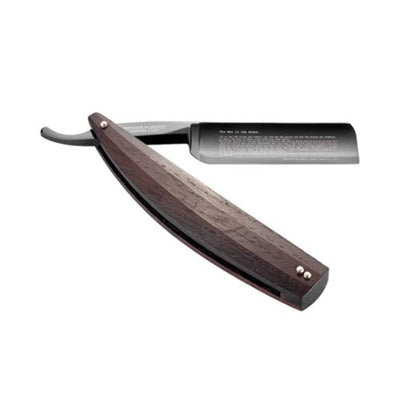
Shavettes sit in their own category. A Shavette uses half a DE blade or a specialized disposable blade, often stainless, so barbers can change blades between clients. The thinness of those blades rewards stainless stability and coatings. Carbon in a Shavette can feel brilliant for one or two passes, then lose its manners if the edge oxidizes between uses. In a true straight razor, carbon steel remains the default because it hones quickly and responds to stropping, so maintenance restores the keen bite each morning.
Shaving routines and what blunts a blade
Hair thickness varies. Anecdotally, beards can differ by a factor of two in hair diameter and by more than that in hardness. If your whiskers feel like guitar strings, you are hard on blades. Expect a stainless DE blade to feel consistent for three to five shaves, maybe more with excellent prep. Carbon might deliver one sublime shave, a second good one, and then a clear drop.
Preparation narrows the gap. A proper shower or a warm water face soak, a quality shaving soap worked well with a shaving brush, and a light touch with the safety razor keep both steels performing. Rinse the razor often. If lather dries on the edge, it bakes into a film that scrapes rather than slices.
Some people add a drop of mineral oil when storing carbon blades. I have used a light camellia oil on straight razors for years. A whisper-thin coat prevents rust, especially in a travel kit where humidity changes. Stainless DE blades do not need it, though it does not hurt.
Cost and availability
Stainless dominates the modern market, which means more choices and predictable supply. Most double edge razor blades you will see from mainstream brands are stainless with a protective coating. Prices vary from bargain bulk to premium, but stainless usually gives better cost per comfortable shave. Carbon DE blades still exist and can be inexpensive, though you might have to order online. In barbershop channels and specialty stores, carbon is common for straight razors because of tradition and ease of honing.
Cartridge razors and disposable razor designs mostly use stainless, often with multilayer coatings. The economics of disposables revolve around convenience, not edge maintenance, so stainless wins by default.
Maintenance: how to keep edges honest
Care is simple, but it matters. Rinse thoroughly. Flick off water, do not wipe the edge along a towel, because you can roll the apex. With carbon, remove the blade if your razor traps water. Pat it against a dry cloth by holding the spine, or set it blade-side up to air dry. In stainless, leaving the blade mounted is generally fine. If you travel to humid places, store any blade away from shower steam.
On straight razors, carbon responds to stropping on leather with a bit of linen first. Thirty to fifty light laps reset the edge. Stainless straight razors exist, but they tend to be more stubborn on stones and can demand harder abrasives. Most professionals stick to carbon for that reason.
A word on coatings and marketing claims
Blade wrappers advertise chrome, platinum, PTFE, titanium, diamond. Much of this refers to thin films applied by physical vapor deposition or simple plating, more about friction and corrosion resistance at the apex than about the bulk steel. A PTFE over platinum over chrome stack is not uncommon. Do these layers change performance? Yes, especially in the first two shaves. They lower friction, reduce heat at the edge, and soften the bite. They do not turn a poor grind into a miracle. They also wear off. If you notice blades feel best on shave two, you are feeling coating burn-in plus your face adjusting to the new edge.
Carbon steel myths that deserve context
Carbon rusts if you look at it wrong. Not quite. It does rust if neglected, but a minute of care prevents most problems. I have kept carbon straight razors bright in coastal cities with nothing more than a wipe and a drop of oil.
Carbon is always sharper. It takes a keen edge easily, but stainless can match that sharpness with modern heat treatments and polish. What differs is how long that edge stays uniform.
Stainless is dull. Stainless can feel dull in poorly finished blades or in mild razors with the wrong angle. In a rigid clamping head like the Henson shaving design, many stainless blades feel laser precise.
The role of lather and skin
Soap choice influences both comfort and longevity. A well-hydrated lather that holds water, provides cushion, and rinses clean protects any edge. Tallow-based soaps, slick vegan bases, and glycerin-rich creams can all work, as long as you dial in water. A dry, pasty lather punishes blades because whiskers do not soften and the edge scrapes against skin. A thin, airy lather collapses and exposes the edge, forcing you to rework areas and adding strokes. For sensitive skin, mild stainless blades in a forgiving safety razor, paired with a dense lather, are a safe starting point.
I once tested the same stainless blade in two sessions: one with a rushed canned foam, one with a carefully built shaving soap lather and a dedicated brush. The second session yielded two extra comfortable shaves from the blade. The metal did not change, but the working environment did.
Specific gear pairings that work
The Merkur 34C with a mid-sharp stainless blade is one of the easy button setups for newcomers. The geometry is forgiving, and stainless smoothness helps you learn angle without blood. If your beard is coarse, stepping to a sharper stainless option keeps strokes efficient. Carbon works too, but build the habit of removing and drying the blade, or plan on frequent changes.
Henson shaving razors, with their precise blade clamping, reward high-quality stainless double edge razor blades. The smooth glide complements the low chatter design. On two or three days of growth, a keen carbon blade can feel terrific in the Henson, cutting effortlessly, but plan for a shorter lifespan.
Straight razor users almost universally choose carbon steel. The feedback on the stone, the ease of setting a bevel, and the lively shaving feel seal the deal. Stainless straight razors exist and can deliver low-maintenance ownership, especially in humid climates, but they ask more from sharpening stones and technique.
Shavette users, especially in barbershops, lean stainless for hygiene and consistency. A fresh blade for each client is standard. If you use a Shavette at home, try both alloys if you can source them. Many find stainless more predictable for several shaves, while carbon gives a fantastic first shave when you want that absolute crispness.
When to change a blade
There is no universal number. Signs matter more than counts. If the blade tugs at the first stroke despite good prep, it is done. If alum stings more than usual or post-shave redness spikes, you might be overextending. For stainless in a double edge razor, three to six shaves is common for average beards. For carbon, one to three shaves is the typical window unless you are meticulous about drying and storage. With a straight razor, your ear and fingertips tell you during stropping when the edge needs a touch-up on a finishing stone.
Environmental and practical considerations
A single blade razor system with double edge blades keeps waste low. Stainless blades are widely recyclable where facilities accept them, especially if you store used blades in a tin or a blade bank. Carbon blades recycle similarly. Cartridges complicate recycling because of plastic and adhesive layers. If minimizing waste matters to you, a safety razor with stainless or carbon double edge razor blades, paired with durable tools like a shaving brush and a well-made handle, is hard to beat.
On the road, stainless wins for simplicity. Humidity swings, rushed rinses, and hotel bathrooms are not kind to carbon. At home, with a steady routine, carbon steel can be a small ritual that pays off in a distinct feel. For travel kits that double as cigar accessories cases or toiletry rolls exposed to leather tanning acids, wrap carbon blades or oil them lightly. It sounds fussy until you discover a faint orange halo at the edge of a favorite blade.
How to choose for your face and habits
Try both alloys with intention. Use the same safety razor, prep, and lather for a week with stainless, then repeat with carbon. Keep notes on first-stroke feel, passes required, post-shave comfort, and how the edge changes over days. If you prefer a first-shave spark and do not mind swapping blades often, carbon fits. If you value consistency and minimal fuss, stainless is the better long-term partner.
There is also no rule that says you must marry one. I keep stainless as the daily driver in a Henson shaving setup and save carbon for a leisurely weekend shave with a straight razor. When time is tight, a stainless DE in the Merkur 34C, paired with a slick shaving soap, clears the path in two passes and a tidy touch-up.
A compact comparison to anchor decisions
- Stainless steel: Most resistant to rust, typically steadier across multiple shaves, widely available in safety razor blades and cartridges, benefits from coatings for glide, ideal for humid bathrooms and travel. Carbon steel: Takes a standout initial edge, rewards careful drying and storage, responds well to stropping in straight razors, often preferred by barbers for Shavettes when changed frequently.
Final thoughts from the sink
Technique matters more than steel, but steel still matters. The Henson razor, the Merkur 34C, a vintage Gillette, a straight razor with a mirror polish, even a humble disposable razor, all become better tools when matched to the right blade material for your habits. If you like the idea of a single blade razor that treats your skin kindly and your wallet well, start with stainless double edge razor blades. If the romance of a perfectly honed edge calls to you, or if your beard yields to nothing but the keenest cut, give carbon steel its due and offer it the care it asks. The difference shows up not in marketing copy, but in the quiet confidence of a clean first stroke and a calm face after the rinse.